7 ERP Implementation Mistakes and How to Avoid Them
Implementing an ERP (Enterprise Resource Planning) system is one of the most transformative — and complex — projects an organization can undertake. A successful implementation can streamline operations, improve decision-making, and increase efficiency; a poorly planned one can waste time and money and disrupt the business.
Recent industry research shows mixed outcomes across ERP projects. Panorama Consulting’s 2024 ERP Report finds that more than half of surveyed organizations stayed within their expected budget (median project cost: $450,000) and more than half completed their projects within their expected timeline (median project timeline: 15.5 months). The same report also documents increasing adoption of BI and accelerating interest in AI, with a notable year-over-year increase in respondents reporting AI deployment.
At the same time, market research and analyst forecasts warn that many ERP initiatives still fail to meet their original business-case goals — Gartner, for example, projects that a significant majority of recent ERP initiatives will not fully meet their original goals in coming years.
Below are seven common ERP implementation mistakes along with practical, evidence-based ways to avoid them.
1) Assuming ERP Is Automatically the Solution
Many organizations jump straight to buying new ERP software without first diagnosing whether the system is the root cause of their problems. In some cases, process improvements, automation of specific workflows, or better use of existing tools will deliver the required value at lower cost and with less disruption.
How to avoid it
- Conduct a formal needs assessment and process review before selecting software.
- Consider a technology assessment or independent consultant to evaluate options (keep in mind Panorama’s data that technology assessments are commonly used to reduce surprises).
2) Lack of Executive Sponsorship
ERP implementations need visible, active executive sponsorship. Without a senior sponsor who secures resources and champions the project across functions, projects commonly stall or lose priority.
How to avoid it
- Appoint a C-level sponsor with authority and a clear role in communications and escalation.
- Ensure the sponsor actively communicates the business rationale and expected benefits to the organization.

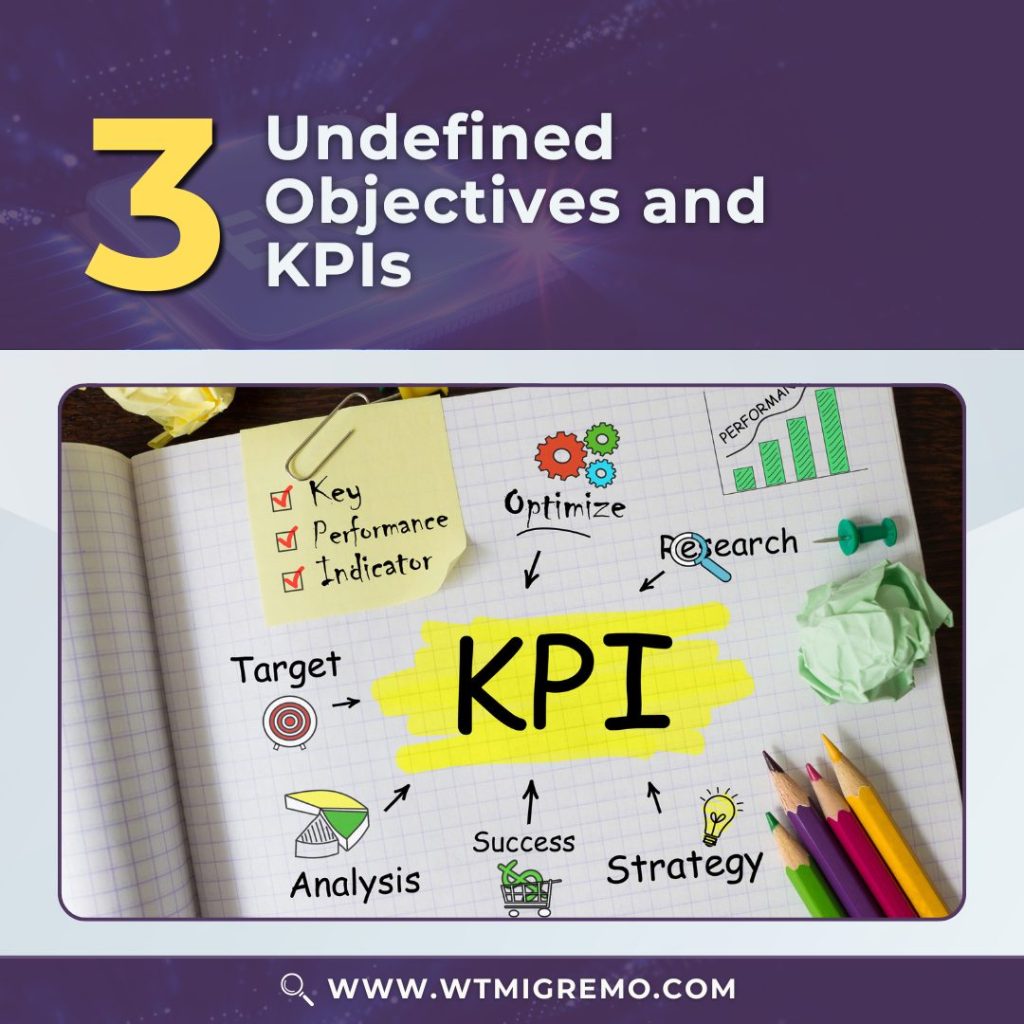
3) Undefined Objectives and KPIs
If you cannot measure success, you cannot manage it. Too many projects select software without translating business goals into measurable KPIs and timelines.
How to avoid it
- Define SMART objectives and tie them to measurable KPIs (e.g., order-to-cash cycle time, inventory turns, invoice processing time, employee time savings).
- Quantify expected benefits before go-live so you can track benefits realization post-implementation. Panorama’s report emphasizes the importance of quantifying expected benefits up front.
4) Over-customizing the System
Customizations can adapt an ERP to very specific processes, but excessive customization increases complexity, testing effort, upgrade costs, and the risk of delays. Academic and industry studies consistently link higher levels of customization with increased schedule and cost risk. ScienceDirect – Customizing ERP-systems: A framework to support the decision-making process
How to avoid it
- Use out-of-the-box functionality where possible; document truly required customizations and treat them as high-value, controlled changes.
- Establish governance to review and prioritize requests and to cap scope creep.
5) Underestimating Timeline and Budget
While some reports show many projects remain on target, other analyst research highlights that many ERP initiatives fail to hit the original business case — often due to underestimated scope, underestimated integration needs, or unplanned technology purchases. Be realistic: build contingency into time and cost estimates and plan for integration, data, and change-management costs.
How to avoid it
- Use benchmarks (industry and vendor) and historical project data when estimating.
- Include contingency for additional technology, integration, and staffing needs.
6) Poor Project Management and Planning
ERP is both a technical and organizational change. Weak project planning or an inexperienced project leader often creates misalignment, unclear responsibilities, and rework.
How to avoid it
- Assign a dedicated, experienced project manager (or experienced external PMO) who understands technical delivery and organizational change management.
- Keep the project plan live: review, update, and communicate progress frequently.
7) Inadequate Resource Allocation
ERP projects require sustained attention from business SMEs. If SMEs are only available part-time or are not adequately backfilled, timelines and quality suffer.
How to avoid it
- Commit the right people for the required duration and backfill operational roles.
- Consider third-party help or temporary contractors if you cannot spare internal resources without harming operations.

Preparation and Governance Win
ERP implementations are strategic transformations that combine people, process, and technology. The most reliable predictors of success are realistic expectations, clear business objectives, strong sponsorship, effective project governance, and disciplined management of customization and resources. Panorama’s 2024 data reinforce that projects that plan carefully and quantify expected benefits stand a stronger chance of staying on budget and schedule.
At the same time, independent analyst firms warn organizations to beware of common traps that cause initiatives to miss their business case — reinforcing why upfront assessment, governance, and ongoing benefits tracking are essential.
WT Migremo Systems, Inc. is a software solutions provider in the Philippines, specializing in Software-as-a-Service and custom web apps and mobile application development. Contact us if you need a reliable software development partner to work on your digitalization.