Choosing the Right Software Solution for Your Business: 5 Important Tips
The right software can completely transform how your business operates. It can streamline workflows, reduce manual tasks, enhance customer experience, and boost overall productivity. According to a McKinsey study, companies that digitize processes can improve efficiency by up to 30%, while Gartner reports that poor software adoption can cost businesses millions annually in wasted resources.
But with hundreds of tools available—CRM systems, HR platforms, POS solutions, inventory management software, project management apps—many business owners face the same dilemma:
“Which software do we really need?”
Choosing the wrong solution wastes time, money, and energy. Choosing the right one sets you up for long-term growth and scalability. Here are five essential tips to help you make the smartest decision for your organization.

1. Know Your Core Business Needs
Before even looking at any software, take time to understand your internal processes.
Ask yourself:
- Which tasks consume the most time?
- Where do errors usually happen?
- What do customers complain about most often?
- Which processes break down frequently?
For example, if customer complaints often involve slow response times, a CRM with automated ticketing may be more valuable than a flashy analytics dashboard. You’re not looking for features yet—you’re identifying problems you want to solve. The aim is not to buy something popular—it’s to buy something useful.
2. Evaluate the Features That Matter Most
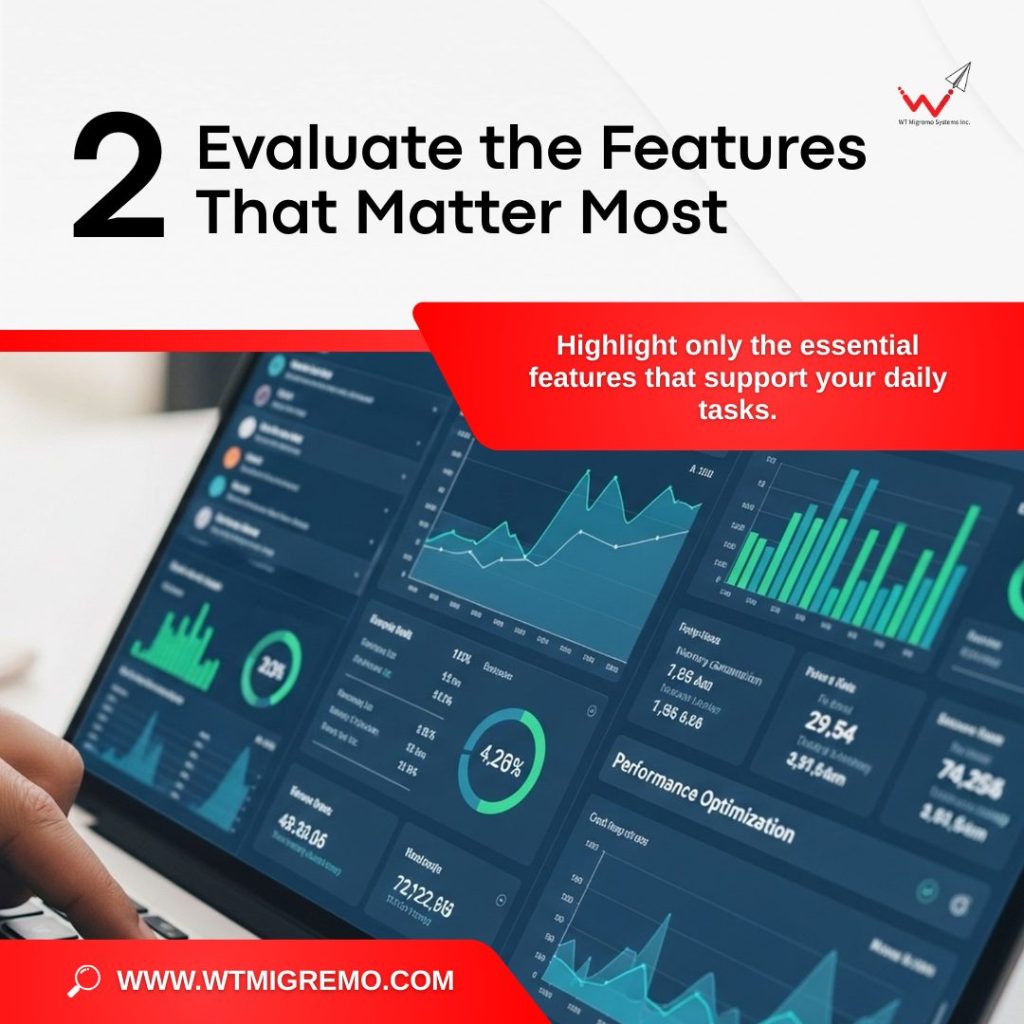
Once you’ve clarified your needs, list the specific features that directly support your workflows. Not every software with hundreds of features is automatically better. In fact, too many unnecessary tools can confuse your team and slow down adoption.
Prioritize features based on:
- Must-haves (critical to operations, e.g., automated invoicing for finance teams)
- Good-to-have (helpful but not required, e.g., customizable dashboards)
- Unnecessary (ignore these to avoid paying extra)
A Deloitte survey found that 61% of businesses overspend on software because they fail to filter out unnecessary features. By focusing only on what matters, you avoid overspending and ensure you’re choosing software built for your actual tasks.
3. Check Scalability and Future Growth
Your business today won’t be the same a year from now. What if you expand? Hire more staff? Add new products or locations?
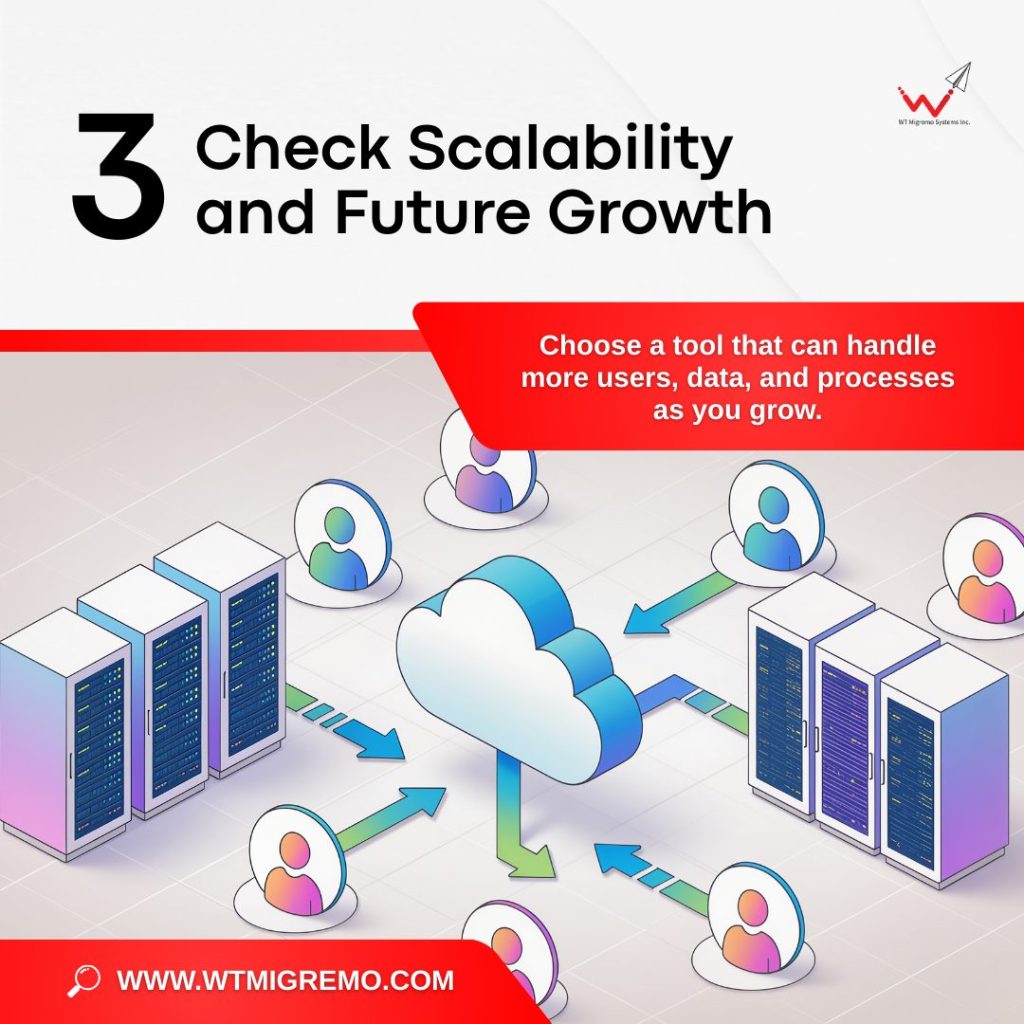
A good software solution should grow with you—not become a limitation later. Look for:
- Flexible pricing plans
- Add-on options for new features
- Multi-user support with role-based access
- Integration with other tools (ERP, accounting, e-commerce platforms)
- Regular updates and improvements
For instance, Shopify’s ecosystem allows small businesses to start with basic e-commerce tools and later integrate advanced inventory, marketing, and analytics features as they grow. Choosing scalable software means you won’t need to restart the whole search when your business expands.
4. Consider User Experience & Training Needs
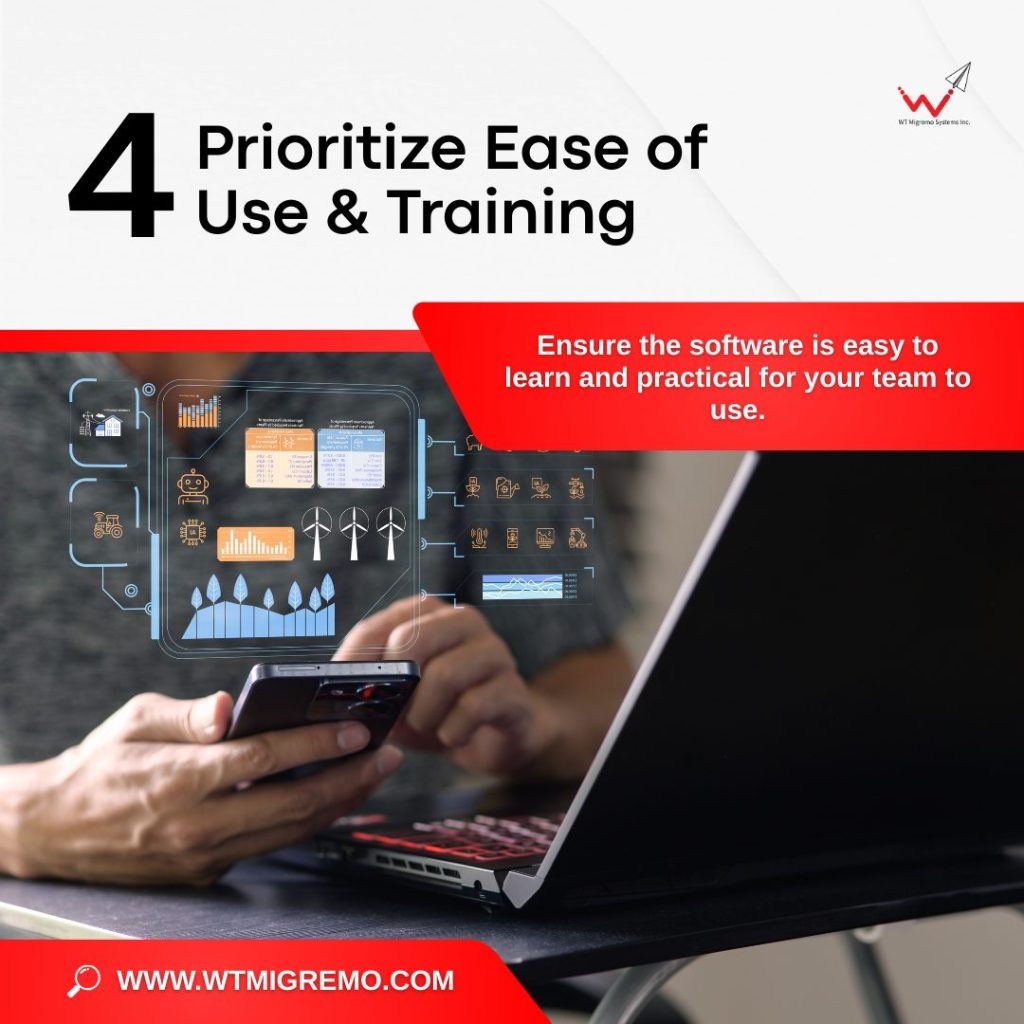
Even the most powerful software is useless if your team refuses to use it. That’s why usability is key.
Evaluate:
- Is the interface intuitive and easy to understand?
- How long will training take?
- Will your staff adapt quickly?
- Are there tutorials, help docs, or customer support available?
Research shows that poor user adoption is the #1 reason software implementations fail. Smooth adoption = faster results. The goal is to empower your team, not overwhelm them. For example, Slack succeeded because its interface was simple enough for non-technical staff to adopt quickly, reducing email clutter across organizations.
5. Compare Costs and Long-Term Value
Cost is important, but value is more important. A cheap solution that causes headaches is more expensive in the long run than a properly built system that improves productivity.
Consider:
- Monthly/annual subscription fees
- Hidden charges (setup, onboarding, integrations)
- Maintenance costs
- Expected ROI (time saved, reduced errors, better tracking)
For example, investing in a robust ERP system may seem costly upfront, but studies show it can reduce operational expenses by up to 23% through better resource planning. Choose software that gives the best return—not just the lowest price.
Choose Smart, Not Just Fast
Software is an investment, not just an expense. The right solution can organize your operations, boost productivity, and give you a competitive edge in your industry. By following these five tips—understanding your needs, choosing relevant features, ensuring scalability, checking usability, and assessing long-term value—you’ll be able to make a confident and strategic decision for your business.
Remember: the best software isn’t the one with the most features—it’s the one that solves your biggest problems and grows with you.
WT Migremo Systems, Inc. is your trusted and reliable software solutions partner. For more information about our services, book a call with us.